
Back-to-School Eye Exams for Children: Start the Year with Clear Vision
Back-to-school season is the perfect time to make sure your child can see clearly and comfortably. From reading the board to using tablets, completing homework, playing sports, and focusing in class, children rely on their vision throughout the school day.
A child may not always know how to explain a vision problem. Some children think blurry vision is normal because they have never seen any other way. Others may avoid reading, lose focus, complain of headaches, or struggle with schoolwork without realizing their eyes are part of the issue.
At Frontier Eye Clinic in Fairbanks, our family eye care team provides comprehensive eye exams to help children start the school year with the vision support they need.
Why Children’s Eye Exams Matter
Vision plays a major role in learning. Children need clear distance vision to see the board, comfortable near vision to read, and strong focusing and eye teaming skills for sustained schoolwork.
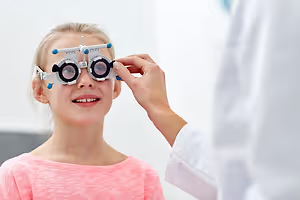
A comprehensive pediatric eye exam can evaluate more than whether your child can read letters on a chart. It can also assess how the eyes work together, how well they focus, whether a prescription is needed, and whether the eyes are healthy.
Early detection is important because untreated vision problems can affect reading comfort, attention, confidence, sports performance, and classroom participation.
School Screenings Are Not a Replacement for Eye Exams
School vision screenings can be helpful, but they are limited. A screening may identify some children with distance vision problems, but it does not replace a full eye exam with an optometrist.
Some children can pass a school screening and still have issues with focusing, eye teaming, tracking, eye strain, or an eye health concern. A comprehensive eye exam gives a more complete view of your child’s vision and eye health.
Signs Your Child May Need an Eye Exam
Parents should schedule an eye exam if a child shows signs such as:
- Squinting
- Sitting close to the TV or holding devices close
- Covering one eye
- Frequent eye rubbing
- Complaints of headaches
- Blurry or double vision
- Losing their place while reading
- Avoiding reading or homework
- Short attention span during close-up tasks
- Tilting the head to see
- Difficulty seeing the board
- Declining school performance
Even if your child does not show obvious symptoms, routine eye exams are still important. Some vision problems develop gradually and may not be easy to notice at home.
Back-to-School Screen Time and Eye Comfort
Modern schoolwork often includes digital devices. Laptops, tablets, and phones can contribute to digital eye strain, especially when children use screens for long periods without breaks.
Symptoms may include tired eyes, dryness, headaches, blurry vision, or trouble focusing after screen use. Encourage children to follow the 20-20-20 rule: every 20 minutes, look at something about 20 feet away for 20 seconds.
A back-to-school eye exam can also help determine whether your child needs glasses, an updated prescription, or advice for more comfortable screen use.
Eye Exams for Glasses, Contacts, and Eye Health
Some children need glasses to see clearly at school. Others may be ready to discuss contact lenses for sports, activities, or personal confidence. During an exam, your optometrist can help determine what vision correction options are appropriate for your child’s age, responsibility level, and prescription.
A comprehensive exam also checks eye health. This is important for all children, including those with a family history of eye conditions, diabetes, previous eye injuries, developmental concerns, or frequent vision complaints.
Make Eye Care Part of Your School-Year Routine
Parents prepare for the school year with supplies, schedules, uniforms, and appointments. An eye exam should be part of that routine.
Clear vision helps children participate more fully in the classroom, on the field, and at home. If your child has not had a recent comprehensive eye exam, schedule a visit with Frontier Eye Clinic in Fairbanks before the school year gets busy.
Back to School FAQs for Parents
How often should children have eye exams?
Many school-aged children benefit from annual eye exams, especially if they wear glasses or contact lenses. Your optometrist may recommend a different schedule based on your child’s needs.
Can my child pass a school screening and still need glasses?
Yes. School screenings are limited and may not detect all vision problems. A comprehensive eye exam evaluates more aspects of vision and eye health.
What symptoms may suggest a vision problem?
Headaches, squinting, eye rubbing, blurry vision, trouble reading, losing place while reading, and difficulty seeing the board can all suggest a possible vision concern.
Can vision problems affect learning?
Yes. Vision problems can make reading, writing, focusing, and classroom participation more difficult. An eye exam can help determine whether vision is affecting your child’s school experience.